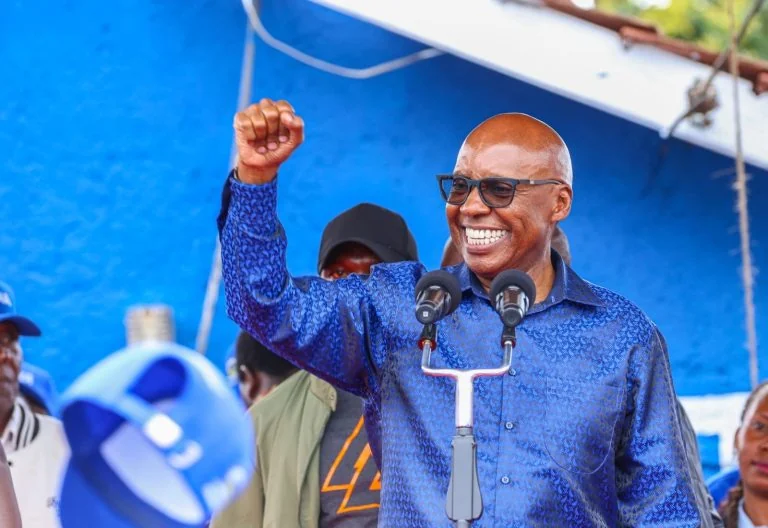
Safina Party leader Jimi Wanjigi has called for a major economic overhaul in Kenya, proposing an audit of public debt, lower taxes and reforms aimed at easing the financial burden on households and businesses.
In a statement shared on his official X account on Monday, November 16, 2026, Wanjigi argued that increasing taxation would not resolve the country's debt crisis, urging the government to adopt a different approach to economic recovery.
“We cannot tax our way out of a debt crisis. We need a total economic reset,” Wanjigi stated.
ALSO READ
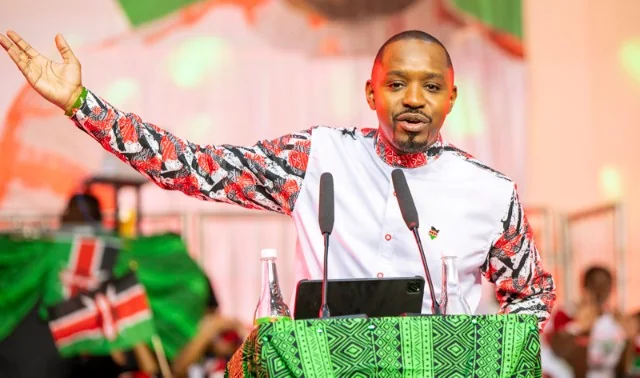
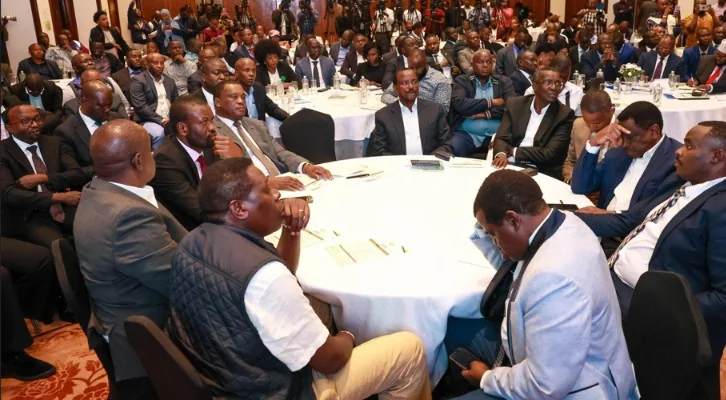
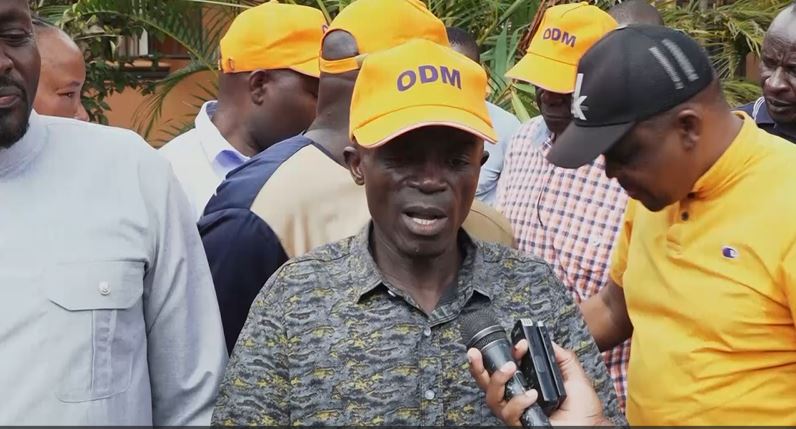
He said his proposed economic rescue plan would focus on auditing what he described as illegal debt, reducing punitive taxes and addressing what he termed debt slavery.
Wanjigi argued that Kenya needs a comprehensive review of its borrowing to establish the country's actual debt obligations, the terms attached to loans and how borrowed funds have been utilised.
An audit of public debt could provide greater clarity on government borrowing, including the legality of loan agreements and whether funds were used for their intended purposes.
However, any claims that particular public debt is illegal would need to be supported by evidence and established through the relevant legal and accountability processes.
His proposal comes amid continued debate over Kenya's debt obligations, debt servicing costs and the pressure these commitments place on public finances.
Wanjigi maintains that the country needs fundamental economic reforms rather than relying on additional taxation to address its financial challenges.
Taxation remains a major concern for many Kenyans, particularly households and businesses struggling to balance their incomes against the rising costs of essential goods and services.
The Kenya Revenue Authority (KRA) has also been addressing concerns from taxpayers over unexplained tax debts and penalties appearing on their iTax accounts.
On Wednesday, November 11, 2026, KRA announced plans for a public discussion to address questions surrounding outstanding tax debts, the tax amnesty programme and procedures for resolving disputes with the authority.
The authority has also reminded eligible taxpayers about its 2026 Tax Amnesty Programme, which provides a 100 per cent waiver on qualifying penalties, interest and fines relating to tax liabilities accrued up to December 31, 2025.
Under the programme, taxpayers with outstanding qualifying principal tax must settle the amount in full by December 31, 2026, to benefit from the waiver.
Those unable to make a lump-sum payment can apply for a structured payment arrangement through the iTax platform, provided the qualifying principal tax is fully settled within the amnesty period.
Taxpayers who had already cleared their qualifying principal tax by December 31, 2025, but still had outstanding penalties and interest, may qualify automatically for the relief.
The programme does not cover tax liabilities arising from January 1, 2026, onwards.
KRA has encouraged taxpayers to review their accounts, file outstanding returns and resolve qualifying tax obligations before the December deadline.
Wanjigi's proposed economic reset goes beyond individual tax relief, raising broader questions about public borrowing, government spending, taxation and the country's approach to managing its debt.
His position highlights the debate over how Kenya can balance the need to raise government revenue and meet debt obligations while reducing financial pressure on households and businesses.
The Safina Party leader's remarks also place public debt accountability and taxation at the centre of the economic debate as the country continues to grapple with fiscal pressures.