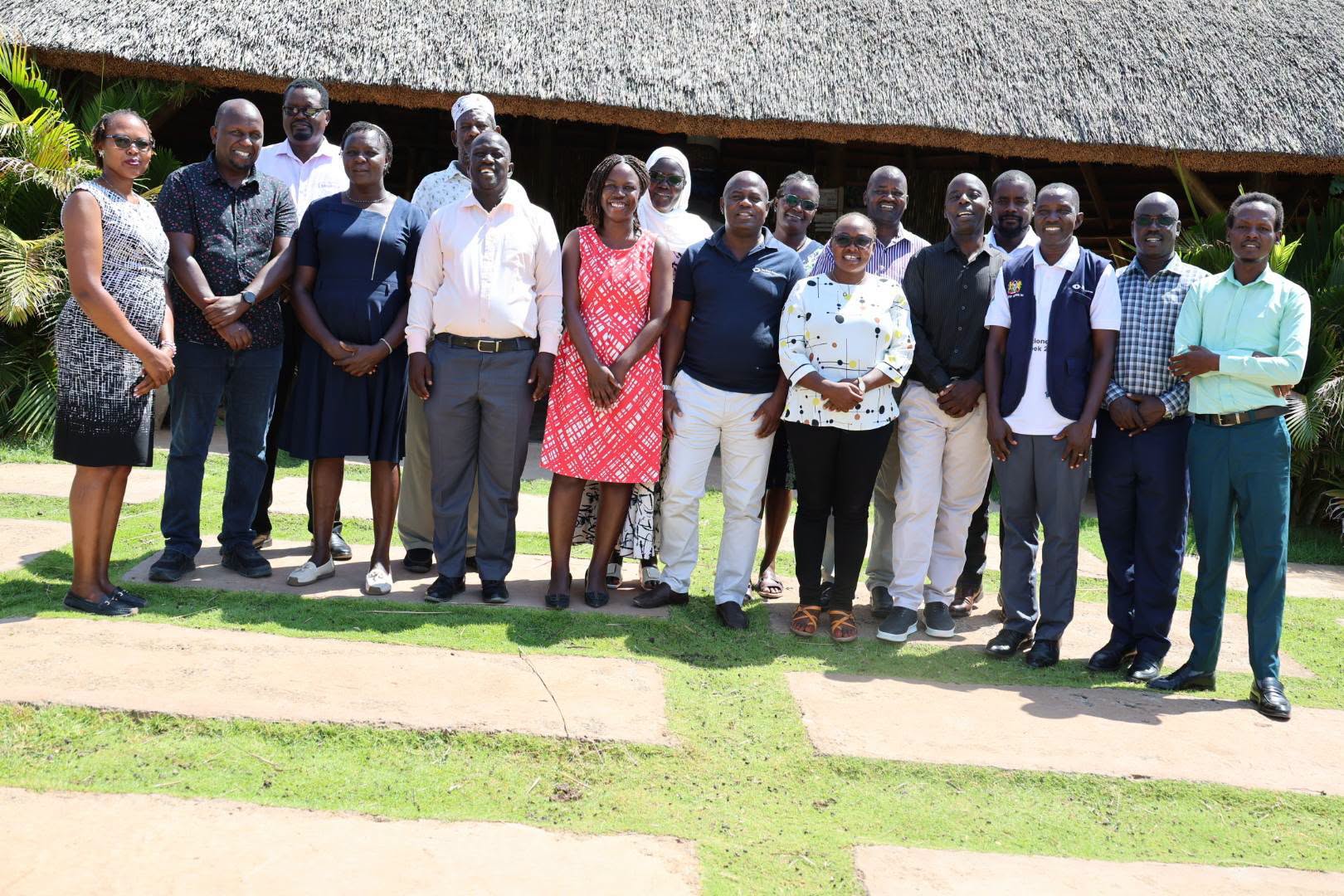
KAKUMA, October 22, 2026 — The Turkana County Government and health partners have convened a two-day review workshop to strengthen plans for sustaining trachoma prevention and treatment services as externally supported programmes transition towards greater county ownership.
The workshop, held in collaboration with Sightsavers, brought together health officials and development partners to review progress, identify implementation gaps and validate proposed changes to plans for preventing trachoma and managing trachomatous trichiasis (TT), a complication that can lead to blindness.
The review focuses on integrating these interventions into routine county health services to protect gains made against the disease and ensure continued access to care.
ALSO READ
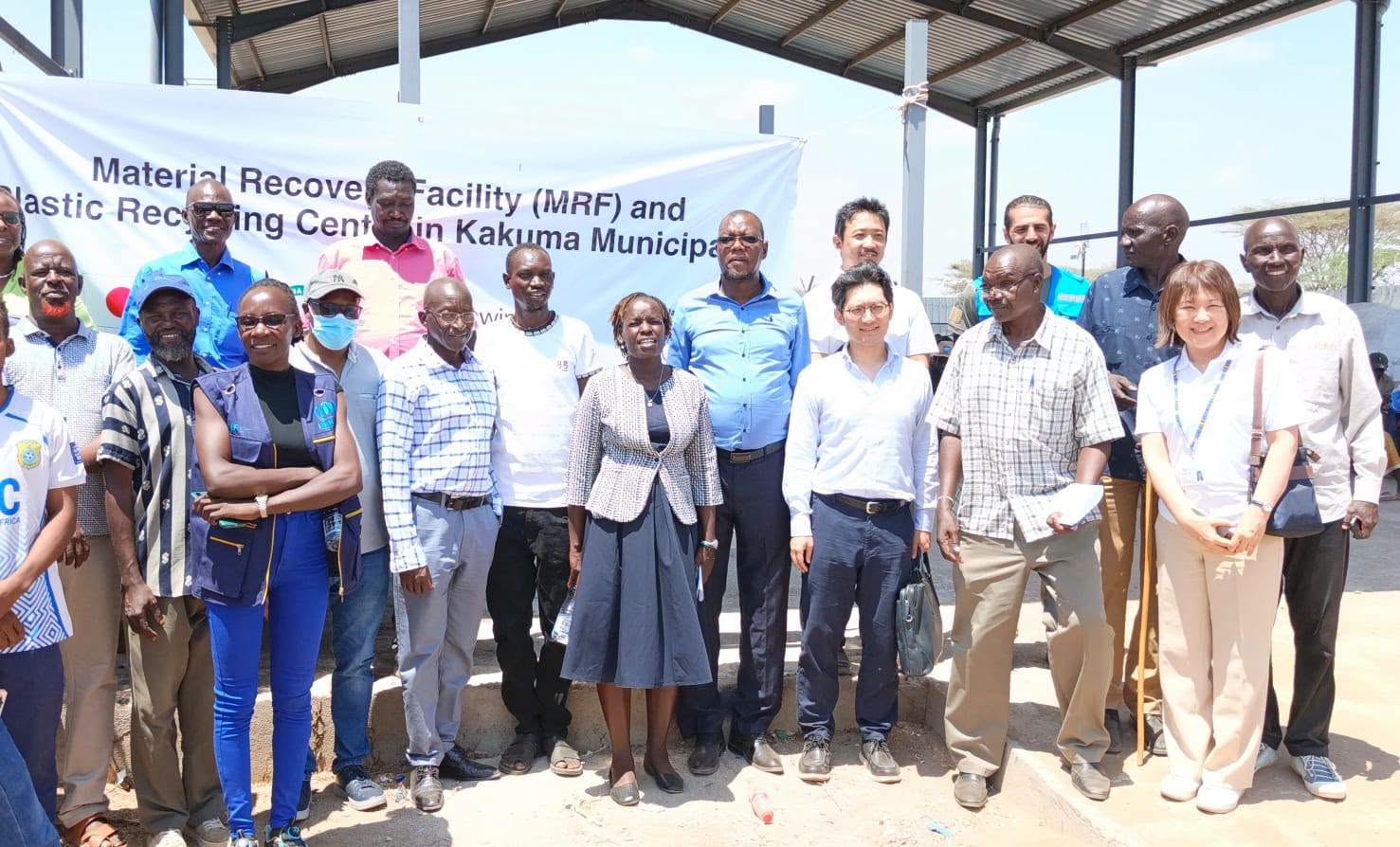
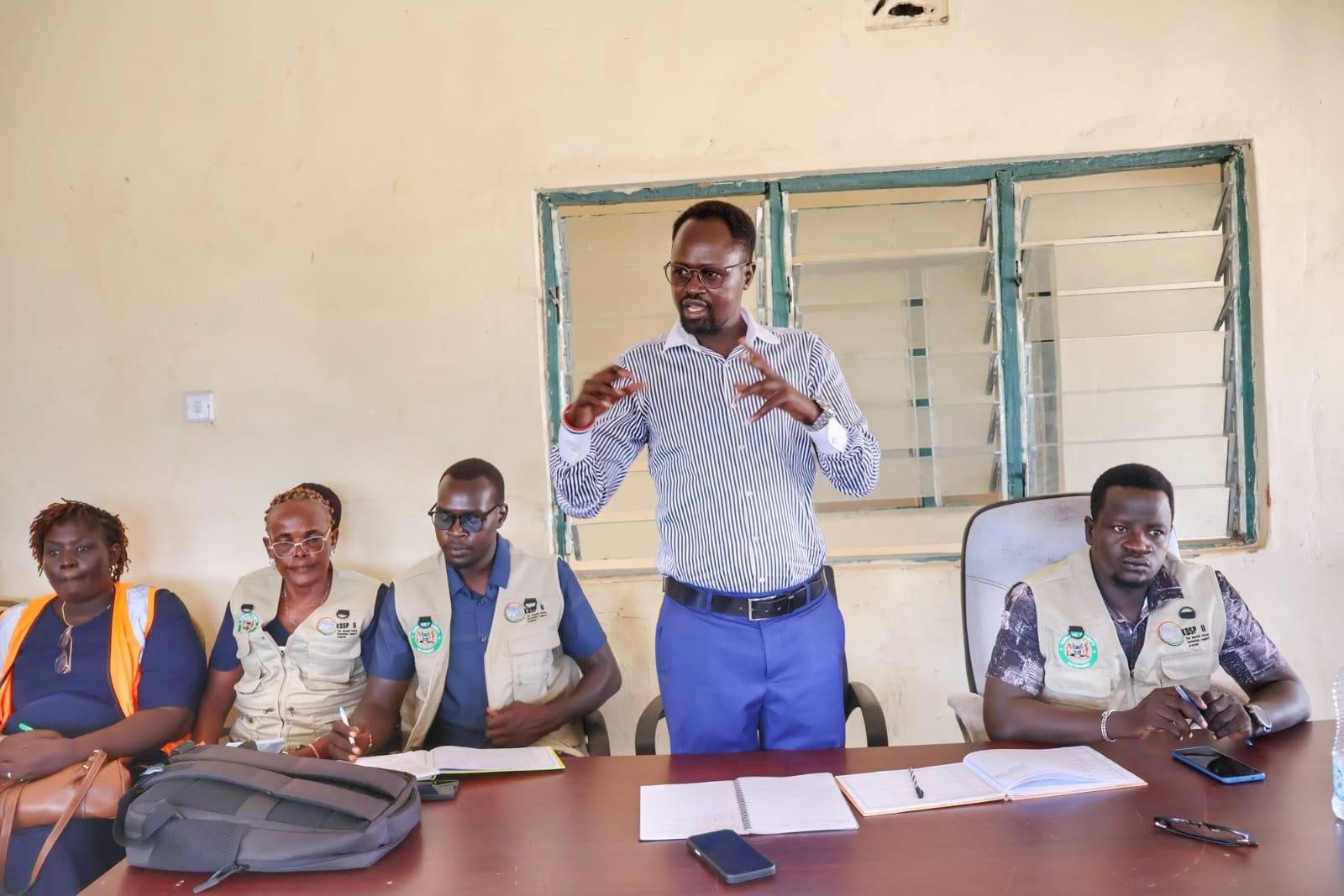
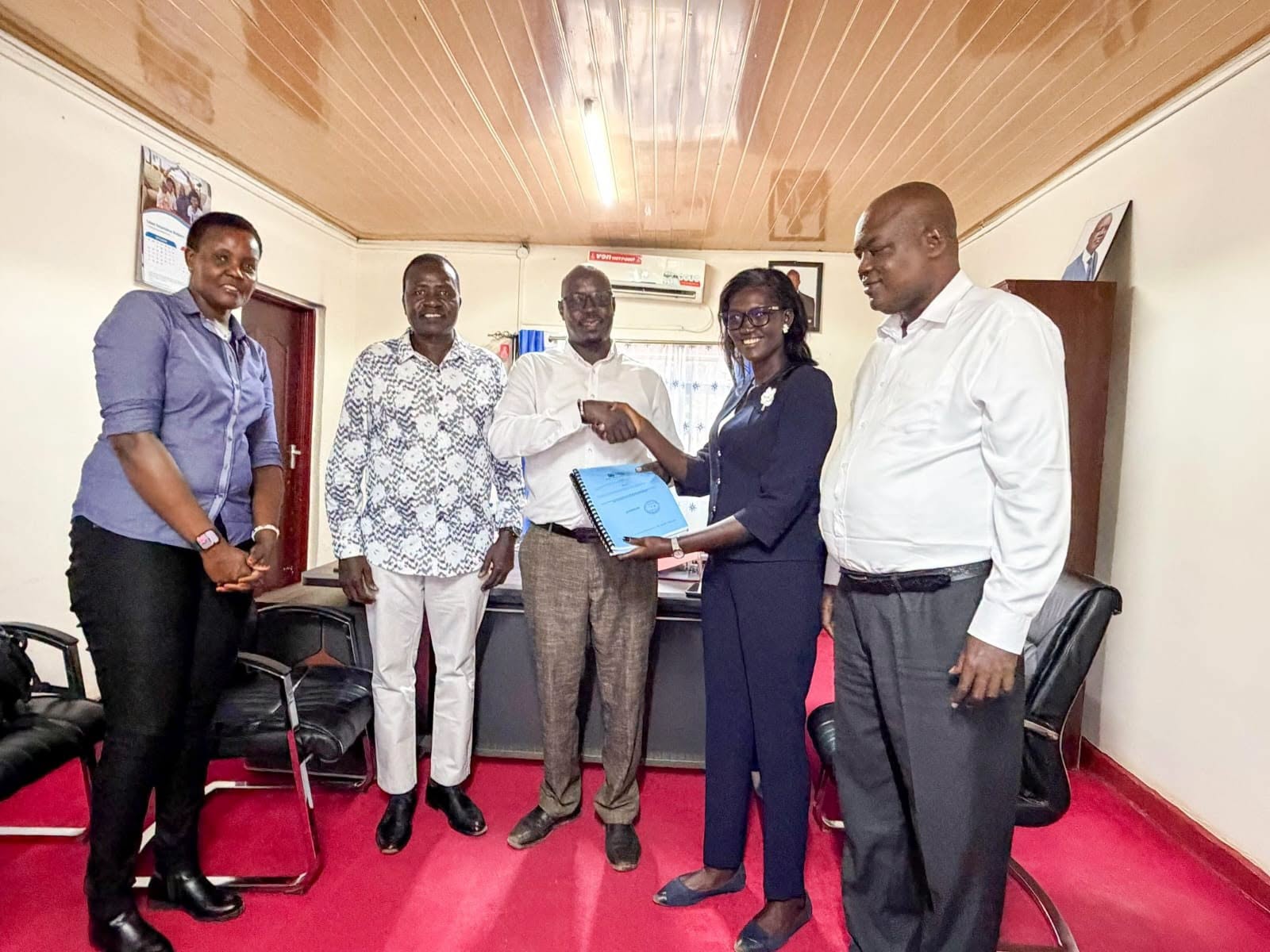
Trachoma is a neglected tropical disease caused by Chlamydia trachomatis. Repeated infections can cause the eyelid to turn inward, allowing the eyelashes to rub against the eye and potentially cause irreversible blindness.
Early detection, timely treatment and sustained prevention measures are therefore essential to protecting sight.
Deputy Director of Public Health Services Ismael Emal said Turkana's efforts to eliminate trachoma as a public health problem began nearly two decades ago, when the disease was suspected in the then Turkana District in 2004.
Emal said a baseline survey conducted in 2010 found a significant burden of active trachoma, with prevalence ranging from 14 per cent to 67.6 per cent across the five evaluation units assessed.
Subsequent interventions and surveillance surveys have shown substantial progress in some areas.
In Turkana North and Kibish, active trachoma prevalence declined from 46.4 per cent in 2010 to 2.13 per cent in 2025. Loima recorded a decline from 20.5 per cent to 3.26 per cent over the same period.
However, progress has not been uniform across the county. Turkana West recorded an active trachoma prevalence of 11.07 per cent in its 2023 impact survey, highlighting the need for continued, evidence-based interventions in areas that have not reached the required threshold.
Trachomatous trichiasis also remains a concern, requiring continued identification of cases, referrals and access to treatment.
Samson Lokele, the County Eye Coordinator, said the transition towards county-led services was timely given the limited partner support specifically targeting TT and the capacity already developed within the county health system.
He said trained personnel and existing health structures could help manage the remaining cases if services were adequately supported.
“The remaining numbers can be managed by the current health system,” Lokele said, emphasising the importance of maintaining the capacity built through previous interventions.
Titus Watitu, the National Trachoma Focal Point, said the team was developing advocacy documents to support resource mobilisation as development partners transition away from direct programme support.
Watitu said the documents would help mobilise resources from the national government for TT activities and provide evidence towards demonstrating progress against elimination targets.
He cited targets of reducing active trachoma prevalence to below five per cent and trachomatous trichiasis to below 0.2 per cent by 2030.
Ben Kolwa, Northern Kenya Regional Programme Manager at The Fred Hollows Foundation, said the organisation had supported health services in Turkana since 2012 and was backing long-term transition plans amid shrinking donor funding.
Kolwa said some areas had reached the prescribed World Health Organization thresholds for TT, but challenges remained in locations such as Suguta, where insecurity had affected support.
He noted that interventions were ongoing in Suguta and said the current priority was to ensure the remaining cases could be managed within the health system.
The challenges underline the importance of maintaining access to services in remote areas, particularly where insecurity, geographical barriers and limited resources can complicate health programme delivery.
Gladys Arika, Director of KISEDP Clinical Services, said the transition offered an opportunity for the county government to strengthen ownership and take responsibility for sustaining essential health services.
She emphasised the importance of joint planning with development partners to ensure health services benefit both refugee and host communities.
Joseph Lolepo, Director of Community Health Services, called for continued capacity-building for Community Health Promoters (CHPs), describing them as an important link between households and health services.
According to Lolepo, CHPs reach more than 221,000 households across Turkana, providing health education, raising awareness and identifying people who may require referral for medical attention.
Samuel Eshitemi, Programme Manager for Neglected Tropical Diseases at Sightsavers, said the transition plans were intended to protect existing gains through stronger county ownership, coordination, community engagement and resource mobilisation.
He said the plans also sought to integrate trachoma prevention, surveillance and eye care into routine service delivery, with stronger links between health, water, sanitation, education and community structures.
Schools, administrative leaders and community groups are expected to play a role in promoting facial cleanliness, improving sanitation and supporting the early identification of possible cases.
These measures are particularly important in Turkana, where recurrent drought, water scarcity, pastoral mobility and geographical barriers can make access to services and sustained hygiene practices more difficult.
The proposed framework also emphasises routine health information reporting, regular performance reviews and clearly defined implementation responsibilities.
These measures are intended to help the county monitor progress, address outstanding gaps and maintain the capacity to identify and respond to any resurgence of the disease.
The two-day workshop provided an opportunity for stakeholders to review documents, consolidate recommendations and agree on the next steps towards finalising the transition plans.
The next stages include proofreading, design and printing ahead of a scheduled launch on December 3, 2026, in Lodwar.
Participants included assistant county and sub-county eye coordinators from Turkana West and Turkana South, public health officers, health promotion officers, health records officers, economists and pharmacists.
The transition process is intended to ensure that progress against trachoma is sustained through stronger county health systems, continued community engagement and reliable resources for prevention and treatment.