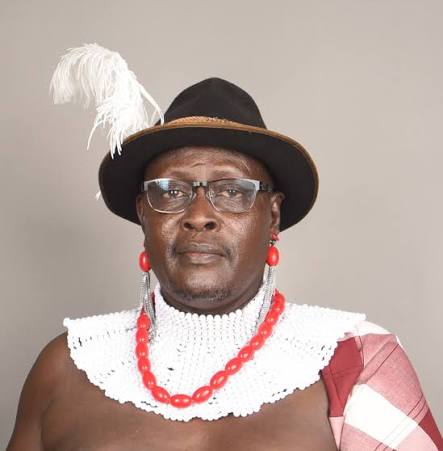
Turkana County Director of Culture, Heritage and the Arts Boniface Korobe has clarified that the original Turkana Boy fossils remain securely preserved at the National Museums of Kenya in Nairobi as the Government advances plans to establish a world-class museum and science park in Turkana.
Korobe said the proposed Kenya: Home of Human Origins Museum and Science Park is expected to position the Lake Turkana Basin as an international centre for human-origins research, scientific discovery and heritage tourism.
The project is planned for the Namorutunga archaeological site in Kalokol, with President William Ruto spearheading the national initiative.
ALSO READ
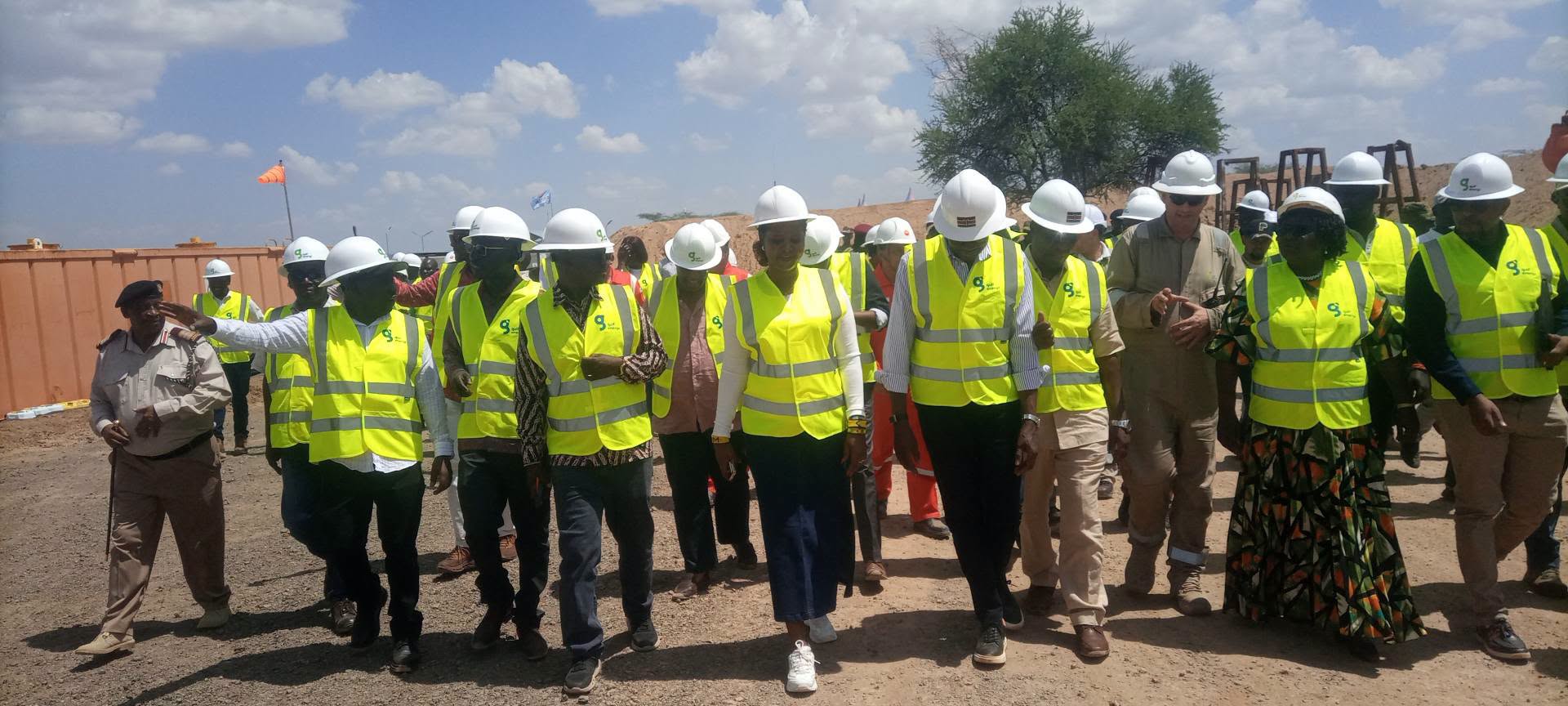
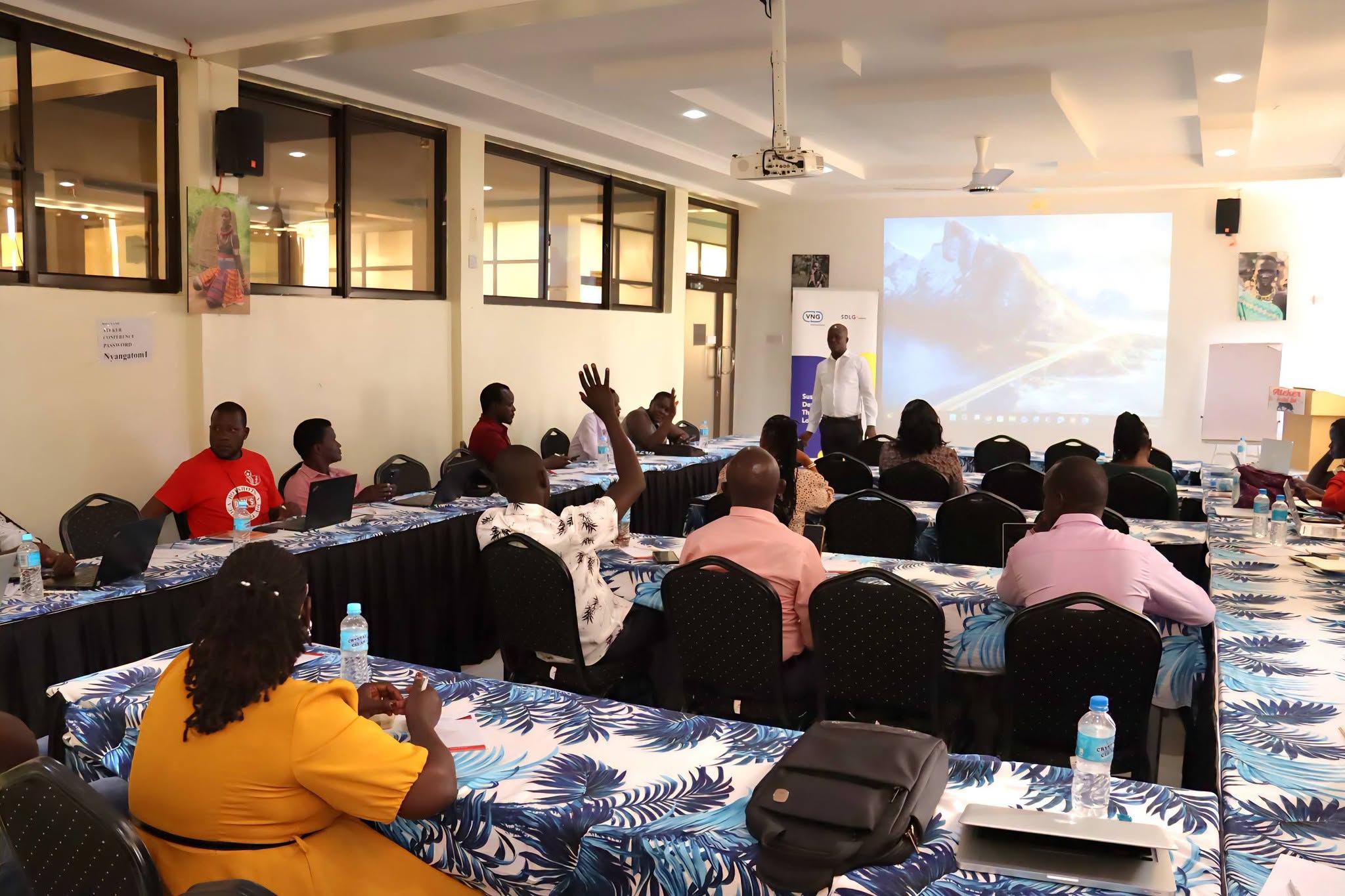
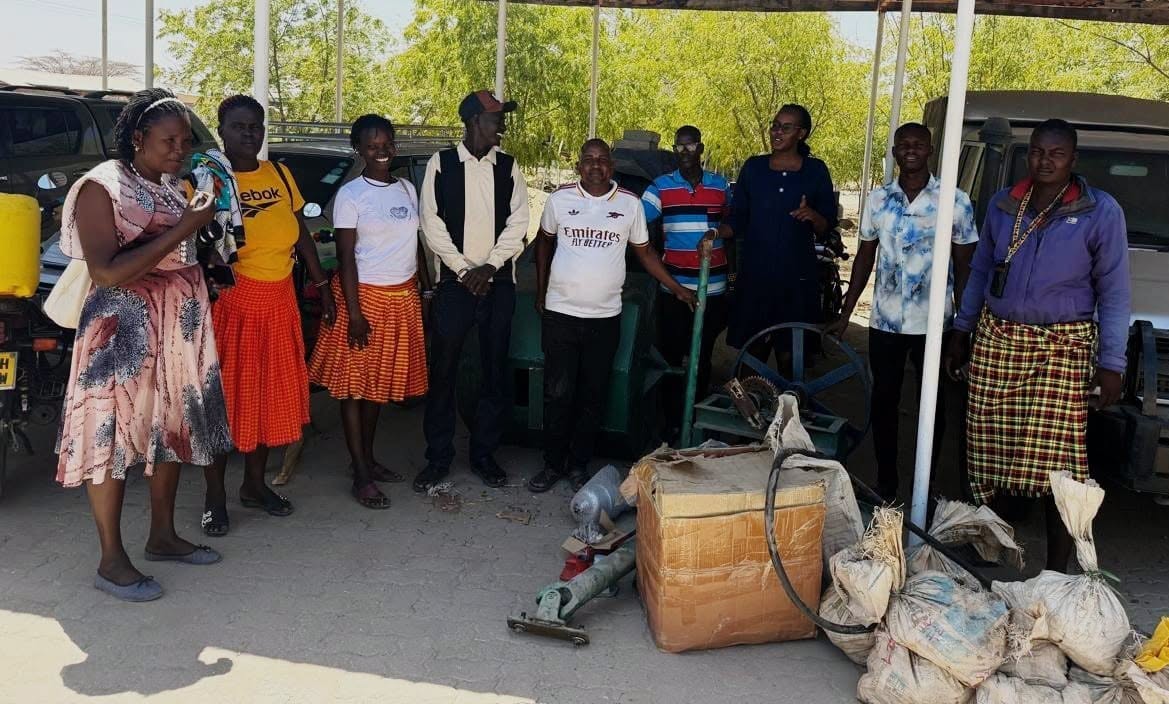
According to Korobe, the long-term vision includes bringing Kenyan fossil and heritage collections held in foreign museums back to the country for preservation and exhibition in Turkana.
He said the initiative would give the county an opportunity to showcase its rich archaeological heritage while attracting researchers, scientists and tourists from across the world.
The clarification comes amid renewed public attention on the Turkana Boy fossils following President Ruto's recent announcement that the original remains would be made available for public viewing in Nairobi. Reports on the announcement have identified a planned exhibition at a Nairobi heritage site.
The National Museums of Kenya confirms that the original Turkana Boy skeleton is preserved in a secure facility, while a replica is available for public viewing. The fossil was discovered near Lake Turkana in 1984 by Kenyan fossil hunter Kamoya Kimeu.
The proposed Human Origins Museum and Science Park is part of a broader government initiative to promote research, conserve heritage and develop tourism around the Lake Turkana Basin.
The Turkana County Government has previously participated in stakeholder consultations and planning activities aimed at ensuring that local communities benefit from the proposed project.
Korobe said the planned development would help strengthen Turkana's place in global human-origins research while creating opportunities for heritage tourism and scientific engagement.